Morrow Plots
· 1 min read
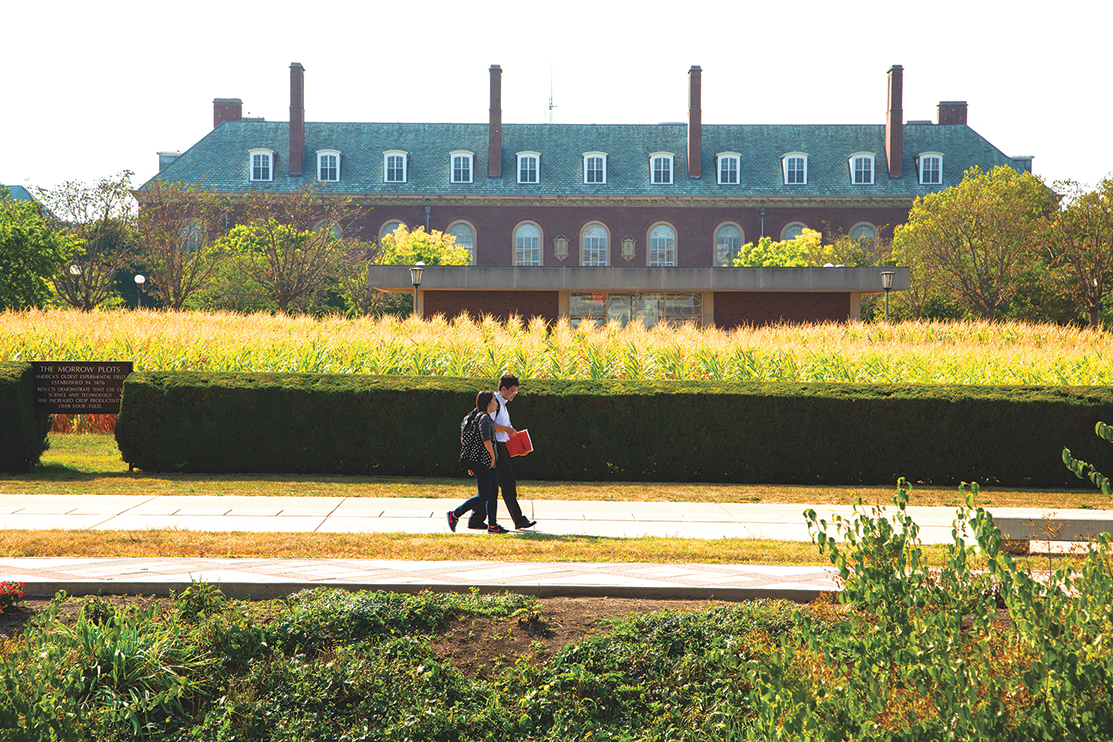
At the end of part 1 of The Rise and Fall of American Growth, Gordon writes about the many positive interventions of the government to spur economic growth. One of the greatest, in my opinion, was the Morril Land-Grant Act of 1862. This act established a set of land to be put aside and funded for the specific purpose of further higher education for agricultural studies, but also mechanical and military studies. Noted exclusions of the act were states that were rebellious.
Some states used the money to bolster existing universities, while some used it to create entirely new ones. The University of Illinois at Urbana-Champaign was on of those newly created universities. There was a large degree of autonomy in what states could do with the Morill money. UIUC leaned heavy into research, for example, creating one of the largest library networks in the country. They also created a liberal arts program in addition to the more pragmatic agricultural studies. The school's early president Edmund James relations to Chinese diplomats helped establish the future relationship that is so important to the school of accepting many Chinese internatinal students. The school also established a football team, which goes to the playoffs one of these years.
In 1876, professors established the Morrow Plots, land specifically set aside to do research on agriculture. One such discovery was that the rotation of different types of crops would maintain the health of the soil. To assist with the dissemination of knowledge from higher education, the government passed the Smith-Lever Act of 1914. This act provided funds to send agents to educate farmers on the knowledge being discovered at the land grant universities.
To this day, UIUC remains the top agricultural engineering school in the country, and have adjacent departments like veterinary medicine and biology that are also top-ranked. Overall, UIUC, along with other land grant universities, have been a great success, educating millions of Americans since its founding, enabling groundbreaking research (such as the invention of the transistor), and providing a boon to the economy with well educated citizens and workers.