Porcupine
· 3 min read
Building "Anti-Social" Media

Schopenhauer has this parable.
One cold winter's day, a number of porcupines huddled together quite closely in order through their mutual warmth to prevent themselves from being frozen. But they soon felt the effect of their quills on one another, which made them again move apart. Now when the need for warmth once more brought them together, the drawback of the quills was repeated so that they were tossed between two evils, until they had discovered the proper distance from which they could best tolerate one another. Thus the need for society which springs from the emptiness and monotony of men's lives, drives them together; but their many unpleasant and repulsive qualities and insufferable drawbacks once more drive them apart. The mean distance which they finally discover, and which enables them to endure being together, is politeness and good manners. Whoever does not keep to this, is told in England to 'keep his distance'. By virtue thereof, it is true that the need for mutual warmth will be only imperfectly satisfied, but on the other hand, the prick of the quills will not be felt. Yet whoever has a great deal of internal warmth of his own will prefer to keep away from society in order to avoid giving or receiving trouble or annoyance.The first time I heard this, I instantly thought of social media. The same drive to be on social media, to get close to other people and socialize, is also what drives us off social media. We don't want to be that close actually, we prick each other. There are some situations where that's ok, close family and friends. But most other situations, we generally want to keep our distance.
The problem is social media is not usually built for distance or slowing down. I was reading my friend's book review of Antimemetics which discusses similar ideas. My friend and I are part of a long running discord of a small group of mutual college friends that serves as a "dark forest", the foil of the "memetic cities" of Twitter or Tiktok. We have a lot of fun there, but it is not a place where we want to be too close to each other.
When I was on Twitter from about March 2020 to the summer of 2022, I experienced many the good and the bad of social media. I liked to go on Twitter to discover what people were reading and writing, and the sort of small discussions around these. But the bad, dunking, general meanness, subtweeting, drama, etc., outweighed the good. I remember leaving Twitter fairly early, before Elon bought it, not long after Jason Stanley left. I no longer found that coming back for the good was worth sifting through the bad.
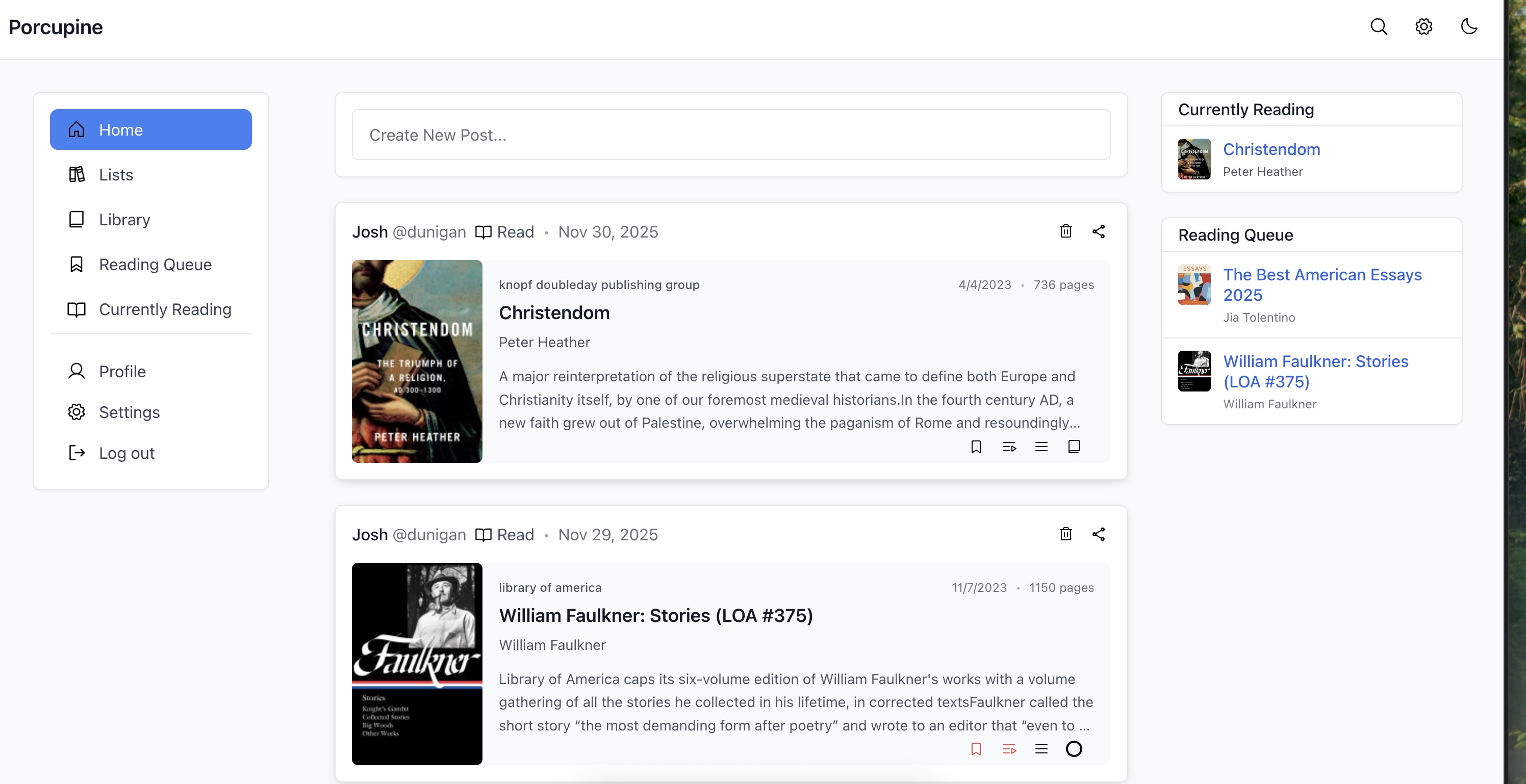
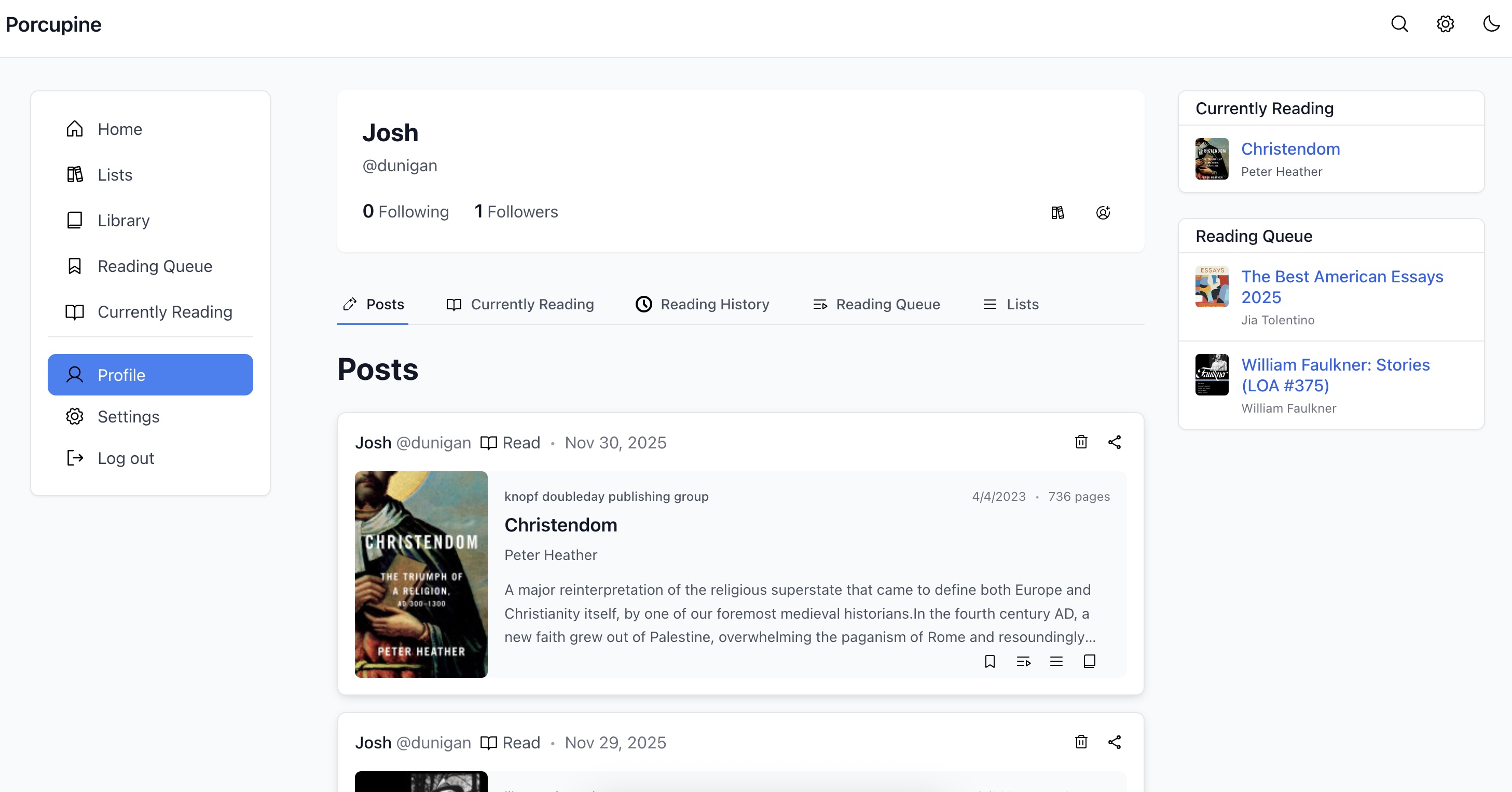
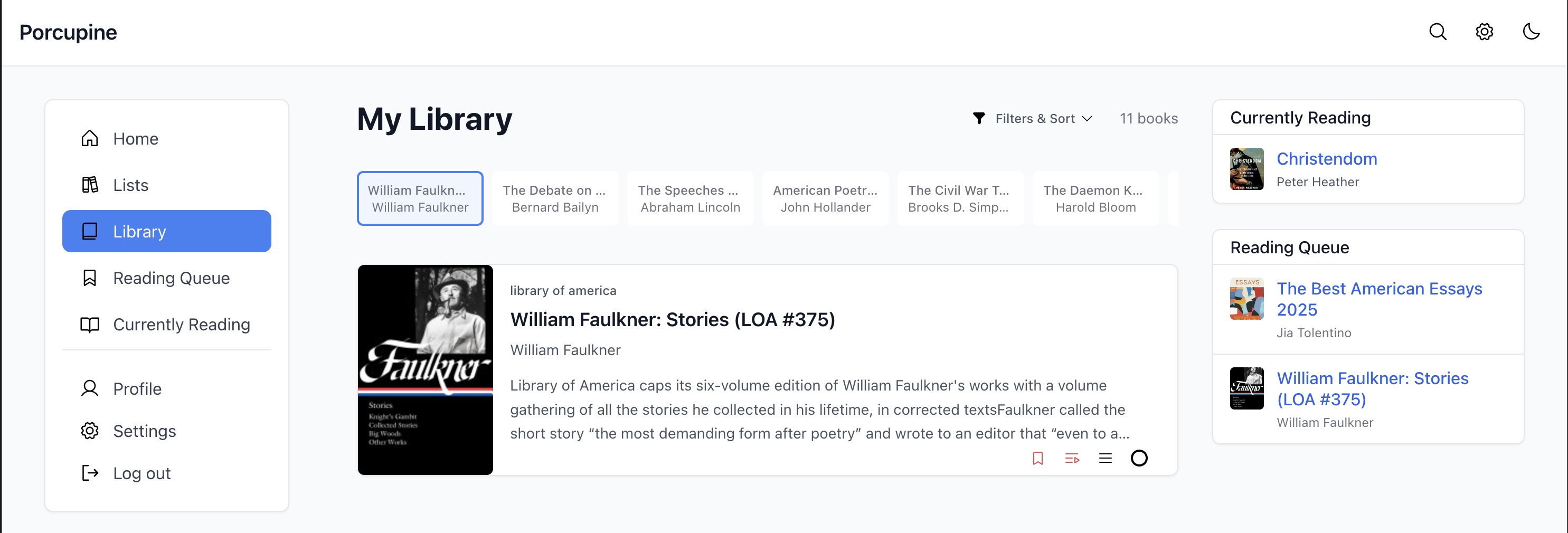
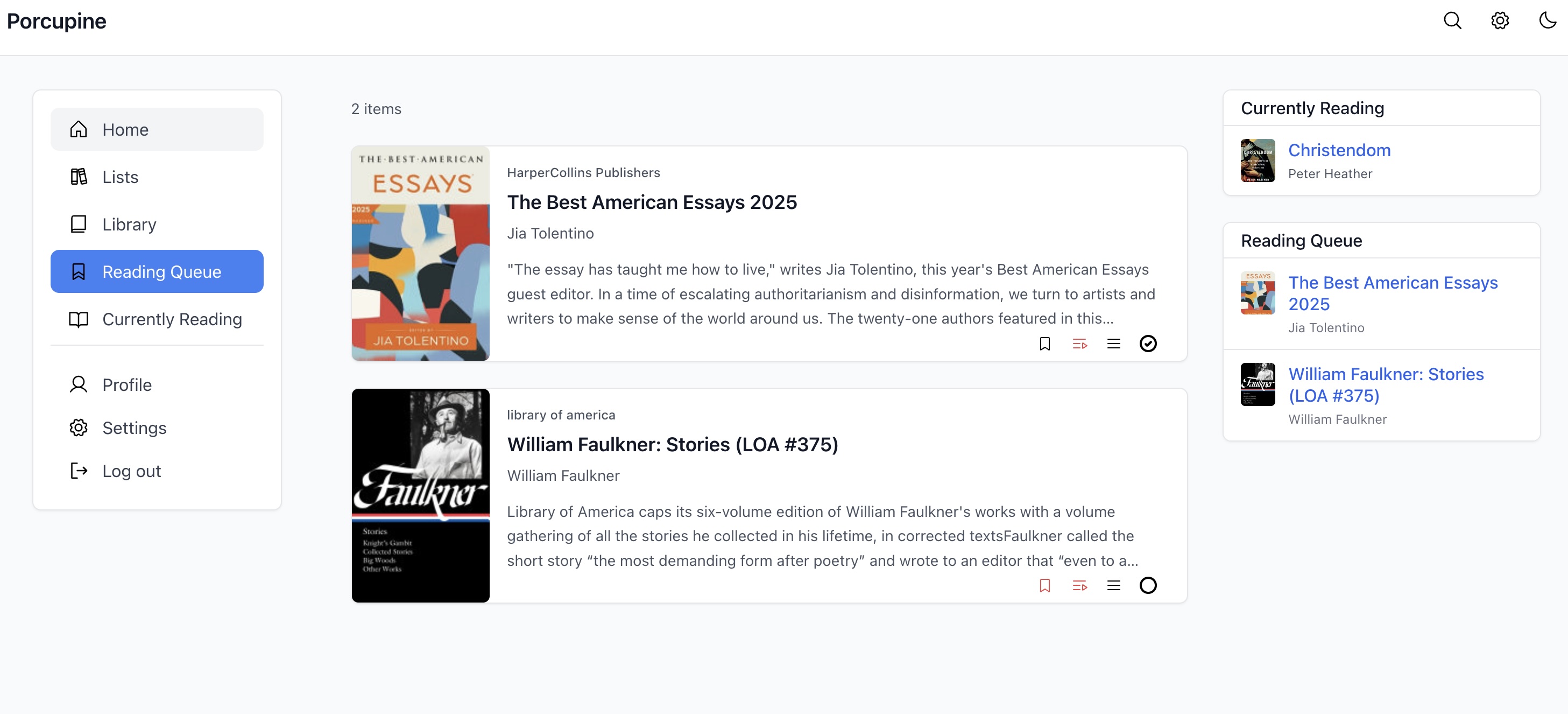
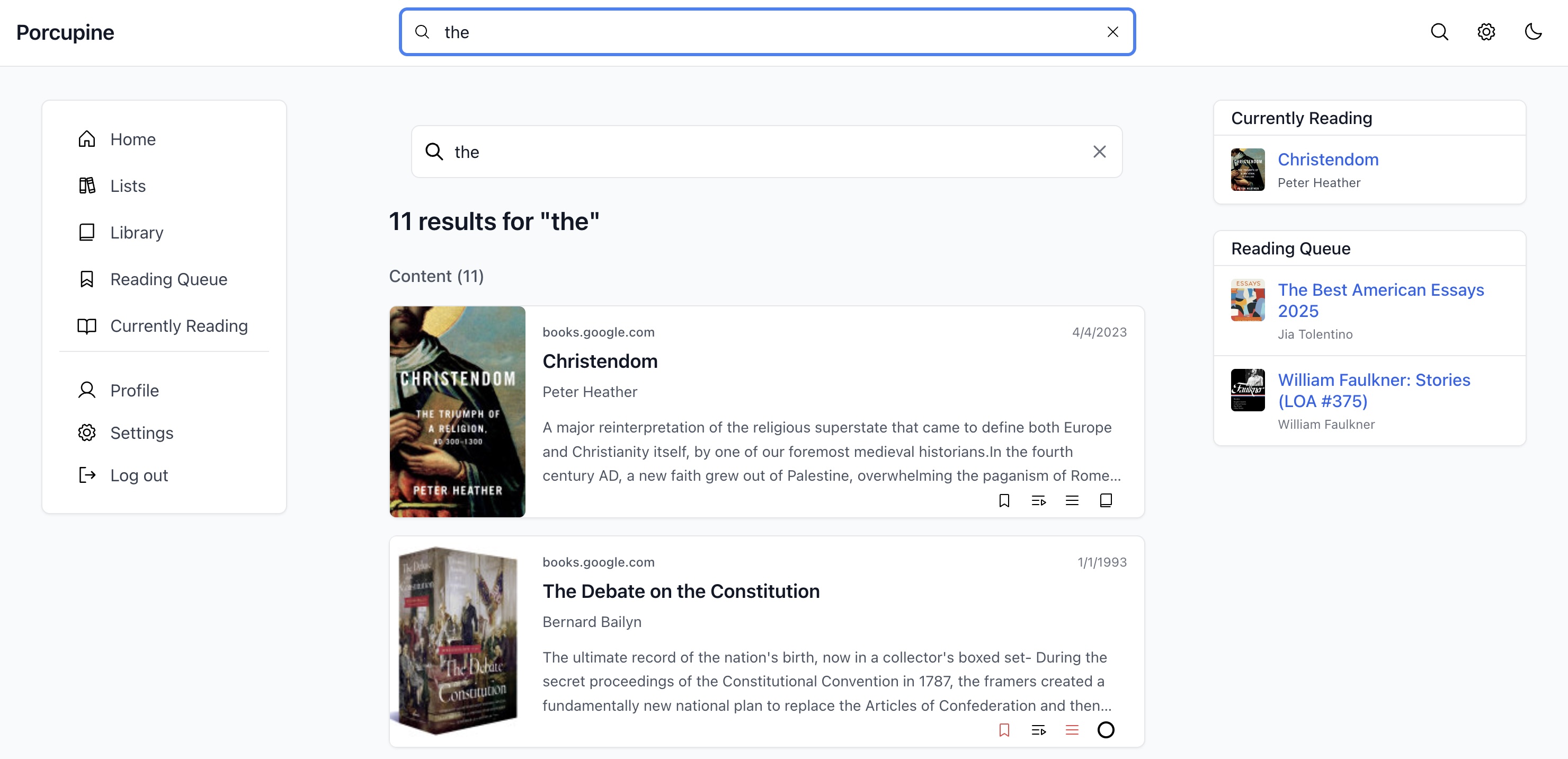
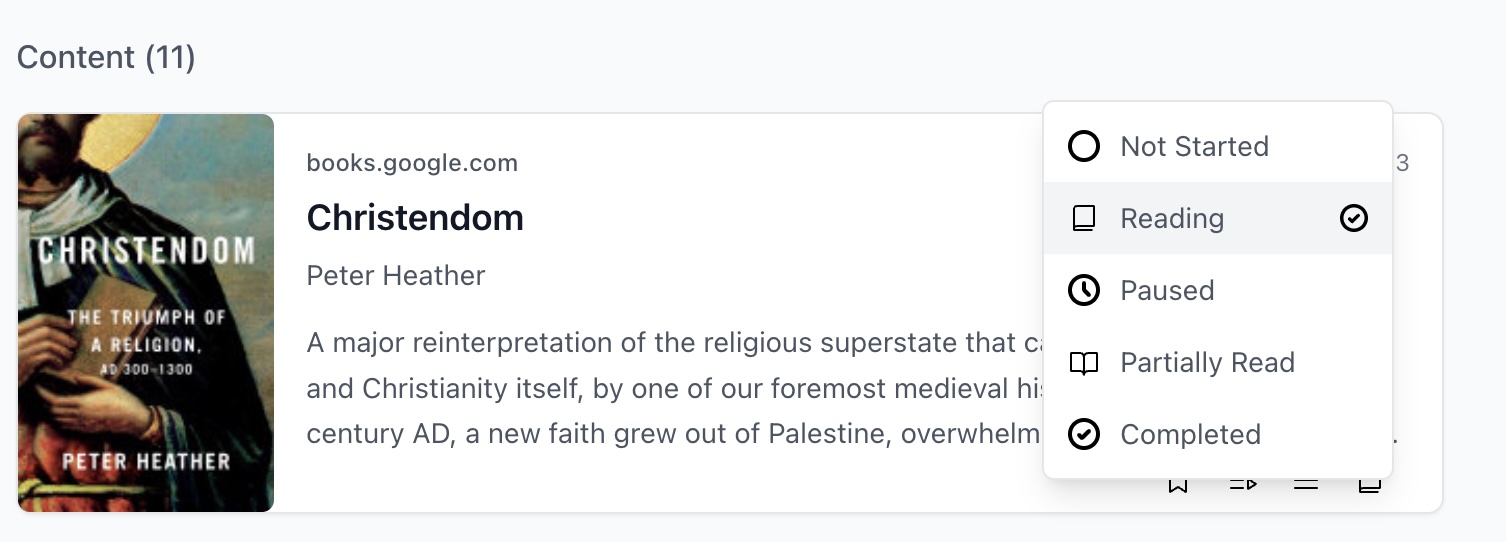
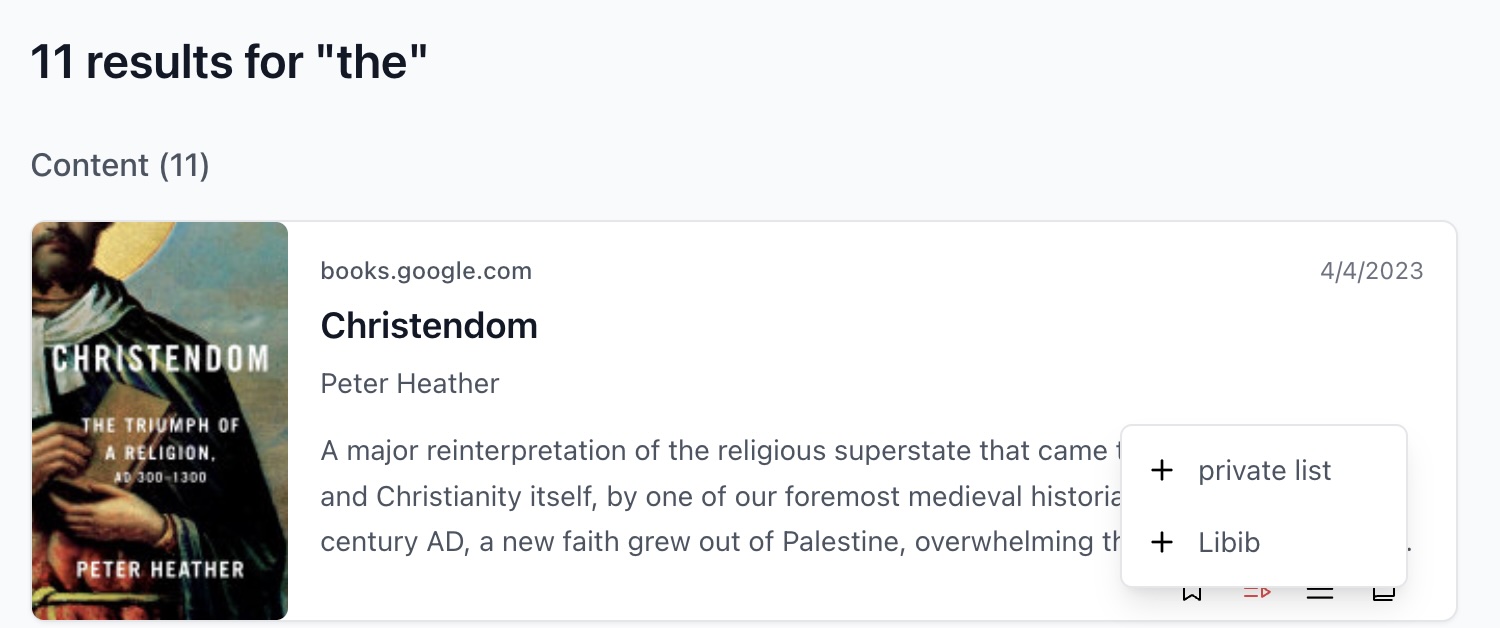
I used the new AI Tools to vibe code up an alternative "anti-social" media platform that would have the good without the bad. I named it after the porcupine dilemma of Schopenhauer. The idea is that, you can post and track your reading and writing in the same place, along with your personal library of books that you buy. You can follow others to see what they are reading and writing, look at their digitized library, see their reading lists and reading queue.
Where the anti-social part comes in is that there is no "free form" content. You cannot post videos, free form text, or images. There are no replies, likes, hashtags, or reviews. The idea is that Porcupine could serve as a "buffer" before the rest of the internet, if you so please, or you can not really use the internet besides this if you want essentially a social media form of RSS feeds and content management.
There are other interesting projects similar to this. There are reader websites, library tracking websites, there are book review websites. What is unique about Porcupine is the focus on structured content only, and a place to combine both articles and books into a single form. Goodreads does not focus on articles from the New York Review of Books, even though they are something I would look to find on Twitter when I used it.
I am done working on it, I learned a lot on building it, but the effort to get it into production and maintain it myself is not something I would want to keep doing. So I am putting it public on github in the hopes that others might be interested or that it would spawn similar "anti-social" media projects.
If any of this interesting you, you can find the code on github.
Screenshots